The Longest Sunday Before Christmas: Puddings, Borrowed Basins and Alford's Shared Kitchens
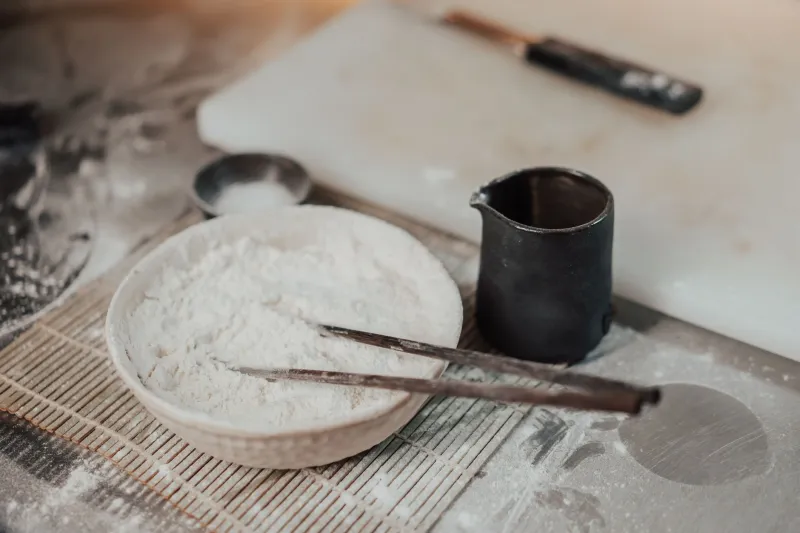
There is a Sunday in late November when Alford smells different. The air near back doors carries spice, citrus peel and the soft, malty warmth of dried fruit soaking. This year it falls on 22 November 2026, and across the village kitchens will be doing what kitchens here have done for generations: getting Christmas pudding started.
Stir-Up Sunday takes its name from the old collect for the last Sunday before Advent, with its line about stirring up hearts. The connection to puddings came later, or perhaps it was always there in the way village life bends a church calendar towards the kitchen. Either way, the habit stuck. The pudding wants time to mature, so the last quiet Sunday before the Christmas run begins is the obvious day to chop, mix and steam.
A name older than the recipe
Not every Alford household marks the date in the same way. Some families stir on the day itself; others use the nearest free afternoon and call it Stir-Up Sunday regardless. Some make one large pudding; others make several small ones for giving away. The important thing is not precision. The pudding is a slow job, and slow jobs make room for company.
That is probably why the tradition has survived here. It is not a performance. It is a kitchen full of bowls, a pot on the hob and someone saying, 'You stir it and make a wish.' The wish is optional. The stirring is not.
The basin circuit
Before the fruit comes out, the basin comes out. In Alford, pudding basins seem to live in a parallel economy. They are lent, returned, forgotten in garages and rediscovered in January. If you need one this year, you almost certainly do not need to buy one. Ask a neighbour. Put a note on the village noticeboard. Mention it at the school gate or in the queue at the counter. The chances are someone has a stoneware basin at the back of a cupboard, wrapped in a tea towel that has not seen daylight since last winter.
A few practical notes from people who have done this before: check the basin for cracks before filling it; grease it properly; and label the lid with the date and your name if you are lending it out. If you are borrowing, return it clean and dry, with a square of greaseproof paper tucked inside as a small thank-you. The basin circuit works on trust, and trust is easier to keep when the basin comes back without a ring of dried pudding around the rim.
Suet, fruit and the local shop run
Stir-Up Sunday is also a shopping list. The core ingredients are simple, but they are the sort of things that reward a proper local errand rather than a last-minute dash around a supermarket.
For suet, ask at the butcher. Fresh beef suet can be shredded at home, though many people prefer the ease of a packet. If you are cooking for vegetarians, check the label carefully and choose a vegetarian suet that suits the recipe. For dried fruit, a grocer or market stall is often the better stop: currants, raisins, sultanas and mixed peel weighed out into paper bags feel much more in keeping with the day than a plastic tub. A little stout, ale or tea is optional, depending on the recipe and the household. So is the brandy, though a spoonful fed to the pudding in the weeks ahead is a tradition in its own right.
Buy only what you need, and buy a little extra if you are making puddings for neighbours. In Alford, half a bag of currants has a way of finding a home. If you are short of one ingredient, ask before you substitute. Someone on your street will have done this before.
What the old bakehouse knew
Communal ovens were once a fact of village life. Before every home had a reliable oven, people took dough and puddings to a shared bakehouse, marked their dishes and collected them later. The old bakehouse in Alford is remembered more in family stories than in standing bricks now, but the principle is easy to understand: the fire was lit once, and everyone brought what they had.
That is why Stir-Up Sunday still feels communal even when it happens in a private kitchen. The pudding is not just a recipe. It is a date, a borrowed basin, a note on the noticeboard and a pot of water coming slowly to the boil. In the old bakehouse, puddings were boiled in cloth and bread was marked with initials. The shared oven made a private family ritual into a village one. We have lost the oven, but not the instinct.
Puddings with a memory attached
Ask anyone in Alford about Christmas pudding and you get a story. One remembers a grandmother who stirred east to west and insisted everyone in the house take a turn. Another remembers a pudding that was boiled for so long it turned the colour of dark treacle. Someone else will tell you about the year the pudding was forgotten until Christmas Eve and rescued with a pan of water and a great deal of muttering.
The sixpence tradition still gets a mention, though most families now leave the coin out of the mixture. What remains is the smell, the steam, the waiting and the small ceremony of a pudding coming to the table in a blaze of brandy. The recipe matters less than the continuity.
A small invitation
Alford Voice would like to build a small archive of village pudding memories for next Christmas. If you make a pudding this year, tell us who taught you, which recipe you use and whether you stir on Stir-Up Sunday or another day entirely. Send your note through the contact link on alford.org.uk. We may publish a selection in December.
And if you have a spare basin, a pudding cloth or a recipe written in an old hand on the back of an envelope, consider this a gentle nudge. The village's Christmas puddings begin with small things: a borrowed basin, a bag of currants and a Sunday afternoon that smells of spice.