A Seat by the Window: Alford's Village Bus and the Everyday Lifeline Behind It
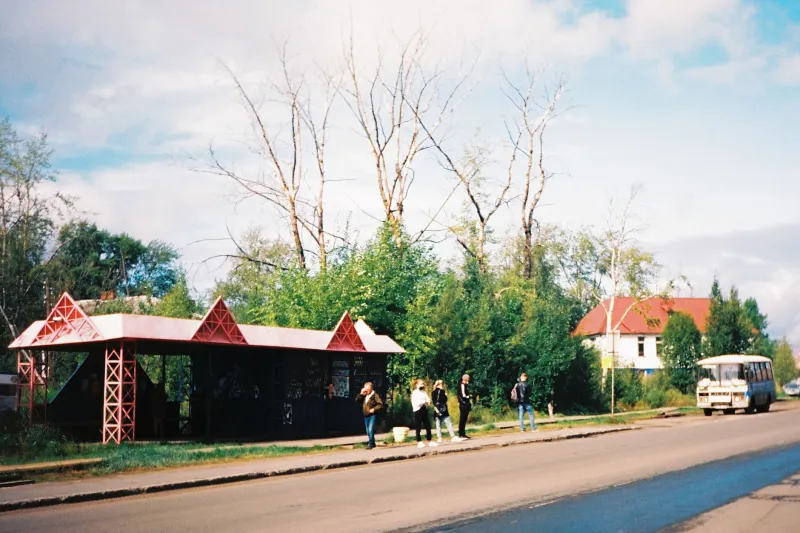
Ask anyone in Alford where the bus goes and you may get a different answer depending on the time of day. For one person it is the link to the shop. For another it is the school run made simple. For a third it is the only sensible way to reach an appointment without asking a favour. The village bus is not glamorous. It rarely makes headlines. But it is one of those quiet services that holds village life together, one stop at a time.
The morning ritual
There is a rhythm to a village bus stop that regulars know without thinking. The early shoppers arrive first, bags folded neatly and purses ready. Then come the school-run regulars, often with a child, a buggy or a reminder about PE kit. Later, the appointments crowd appears: someone with a hospital letter, someone collecting a prescription, someone visiting a friend in the next town.
On a wet morning the shelter becomes a small waiting room. On a sunny one it becomes a place to compare notes about the weather, the roadworks and whose turn it is to water the planters. Nobody calls it a social club. It is just a bus stop. Yet the same faces turn up, and the same small kindnesses happen: a seat offered, a timetable shared, a reminder that the driver sometimes runs a few minutes late on market day.
The 9:17 has become a kind of shorthand for that first proper run of the day. It is not a magical time. It is simply the one that suits people who want to get into town, do what they need to do and be back before the afternoon closes in. In winter, especially, that early window matters.
The people in the seats
You can learn a lot about a village from its bus passengers. There is the regular who knows exactly which corner to press the bell for and the one who still asks the driver to shout when they reach the right stop. There is the parent who has perfected the art of folding a pushchair in under thirty seconds. There is the older resident who uses the journey as a chance to catch up with a neighbour they otherwise would not see.
Some passengers are loyal to the bus because they have no car. Others choose it because parking in town is a hassle, or because the fare is cheaper than a round trip in fuel. A few use it only in bad weather or when a repair is due. All of them are part of the same quiet contract: the bus turns up, and the day becomes a little more manageable.
Drivers notice these patterns before anyone else. They know the stop where someone always needs an extra moment. They know the morning when the school traffic will make the corner tight. They know the regular who will be carrying shopping home and the one who only travels when the weather is fine. A good village driver is not just steering a vehicle. They are keeping an eye on the whole small ecosystem inside it.
The driver's-eye view
From the front seat, a bus route is never just a line on a map. It is a series of local landmarks: the bend by the church, the hedge that needs cutting, the stop where the puddle forms, the house with the bright door. Drivers learn the route in all seasons, and they learn the people who use it.
That knowledge is why a simple question at the stop can be so useful. If you are unsure whether the bus stops near a particular surgery or shop, ask. If you need a little more time getting on, say so. If you have a concessionary pass, a return ticket or a question about a connecting service, the driver is usually the quickest source of plain English. They will not know everything about every operator, but they will know their own route.
It is also worth remembering that the driver is not a timetable machine. Traffic, roadworks, weather and passenger numbers all affect the schedule. A wave of thanks when the bus arrives is never wasted. Nor is a bit of patience when it does not.
A plain-English guide to routes and tickets
Village bus services can look complicated on paper, but most boil down to a few simple types. Some are fixed-route timetabled services that run whatever the weather. Some are demand-responsive or community transport schemes, where you need to book ahead. Some are school journeys that are not open to the general public. Alford's service may combine more than one of these on the same vehicle, so it is always worth checking the details rather than assuming.
The first rule is simple: check before you travel. Timetables change, and the version pinned to the noticeboard may not be the latest one. The operator's website is usually the most up-to-date source, followed by the parish noticeboard, the library or a printed timetable picked up in the shop. If you are planning a journey with a connection, leave more time than you think you need.
On tickets, most village routes offer a single or a return. Day tickets can be good value if you are making more than one trip, and some operators offer weekly or flexible passes. If you are eligible for a concessionary bus pass, keep it handy and check the time restrictions that apply in your area. Young people may have their own discounts, but these vary. Contactless payment is increasingly common, though not guaranteed on every route, so it is sensible to carry a little change as a backup.
If you are using the bus for the first time, tell the driver where you are going and ask for the right ticket. Keep your ticket until you get off. If you need a return, check whether it is valid on any operator or only the one you travelled with. And if you are travelling with a buggy, a wheelchair or a shopping trolley, ask ahead if you are unsure about space. Most drivers will do what they can, but a little planning makes the whole journey smoother.
Why the quiet service matters
It is easy to measure a bus service by passenger numbers alone. But the value of a village bus is not only in how many people get on. It is in who does not have to ask for a lift. It is in the appointment that gets kept, the shopping trip that gets made, the friend who gets visited. It is in the teenager who can get to college and the older resident who can stay independent for longer.
That is why the people who keep it moving matter so much: the drivers, the schedulers, the volunteers who answer the phone, the parish councillors who chase up a missing timetable, and the passengers who use the service rather than assume it will always be there. A bus route can look permanent on a map. In practice, it survives because people use it and speak up for it.
A small plea for patience
No village bus is perfect. It can be late. It can be full. It can seem to vanish just as you reach the stop. But on the days when it works, it works quietly and well. It gives Alford a connection to the wider world without demanding a car, a favour or a long walk in the rain.
So next time you see it pull away with a seat by the window still free, spare a thought for the morning ritual inside. The shoppers, the school-run regulars, the appointment travellers and the driver who knows every stop by heart. The village bus is not just transport. It is one of the small, practical threads that keeps Alford life moving.