The Repairers Next Door: Where Alford Saves What Others Throw Away
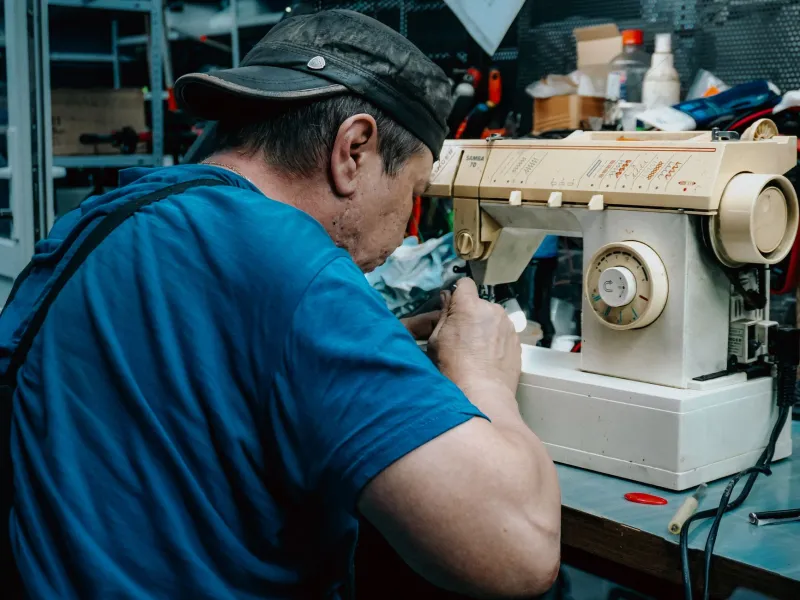
There is a quiet economy in Alford that never makes the headlines. It runs on a cobbler's bench, a sewing machine in a back room, a bike stand in a shed and a repair café table loaded with screwdrivers. It is not nostalgic fantasy. It is practical. When a zip goes, a heel wears through or a bike brake starts rubbing, the difference between a repair and a replacement is often a short walk and a conversation.
This is not a formal register of every fixer in the parish. It is a working guide to the kinds of repairers hidden in plain sight, how to find them, and what they can realistically save. Start with the parish noticeboard, the library, the church newsletter and the shop windows. In a village, the route to a good mender is usually a neighbour saying, 'Ask at the shop — they'll know.'
The cobblers and the careful stitch
Shoe repair is the classic village rescue service. A good cobbler can replace a heel, stitch a split seam, patch a sole or stretch a tight-fitting pair. Bring the shoes clean and dry if you can. Ask what the repair will cost before you leave them, and be honest about how much life you expect from them. Not every sole is worth saving; a good cobbler will tell you when a repair is false economy.
Leather bags, belts and walking boots often fall into the same category. A stitched strap or a new buckle can add years to something that would otherwise go in the bin. The same bench may also take in zip repairs on coats and boots, though not every machine can handle heavy canvas.
Bikes, buggies and the shed mechanic
Bike repair is one of the most useful quiet trades in any village. Punctures, brake pads, gear indexing and rusted chains are all fixable, often in an afternoon. If you are not sure who is repairing bikes at the moment, ask at the bike shop, the school gate or the noticeboard. Some mechanics work from home workshops and prefer a text or a message before you turn up with a wheel under your arm.
The same practical mindset often extends to pushchairs, garden trolleys and small wheeled things that are not quite bikes. A stuck wheel, a bent axle or a snapped clip can sometimes be sorted with a spare part and patience. Ask first. A repairer would rather say no than ruin something that needs a specialist.
The repair café: bring it and see
Repair cafés are the friendly front door of the mending world. They usually run monthly or quarterly in a church hall, library or community room, with volunteers who can look at small electricals, textiles, bikes, toys and furniture. The deal is simple: you bring the broken item, you stay with it, and you learn what is happening. Volunteers are not a free shop service. They are neighbours with skills, and they will often show you how to do the job next time.
Check the noticeboard for dates and what the café can and cannot take. Some items are not safe to repair in a hall — microwaves and anything with damaged mains wiring are common exclusions. If you are unsure, ask before lugging it across the village.
Sewing circle and textile rescue
A sewing circle can save a coat lining, turn a torn shirt collar, patch jeans or shorten curtains. These groups are often less visible than a shop because they meet in each other's homes or in a back room at the church. Ask at the library or the parish office. If you need a quick zip replacement, a cushion cover or a school uniform taken up, a local sewer may be able to help for a small charge.
Textile repair is also where the anti-throwaway habit becomes household common sense. A button is not a reason to bin a shirt. A small hole is not a reason to retire a jumper. A visible mend can be a feature, not a failure.
Refill and recharge
The repair economy is not only about broken things. It is also about refilling and reusing. Ask around for refill options for cleaning products, dried goods or pet food where local shops offer them. Some village shops will refill ink cartridges or take back batteries for recycling. These are small habits, but they keep money in the village and reduce the number of things that leave it as waste.
What to bring, what to expect
Before you set off, do a little triage. Can you describe what is wrong? Have you got the missing part, the receipt or the other half of the item? Is it clean enough to work on? For electricals, never force a repair if you are not confident around mains power. For shoes and bags, empty the pockets first. For bikes, take the whole bike if the problem is not obvious; a mechanic can diagnose more from the machine than from a description.
Ask about cost, turnaround and guarantee before you hand anything over. A good repairer will be clear about what they can and cannot do. A repair café may ask for a donation rather than a fixed fee. A professional cobbler will price the job. Neither should make you feel foolish for asking.
Why mending matters in a village
A village that mends things holds together better. That is not just sentiment. Repair keeps money local, keeps skills visible and keeps useful objects out of the bin. It also creates the kind of low-level neighbourliness that villages run on: the short conversation at the counter, the recommendation passed over a fence, the volunteer who shows a teenager how to fix a bike chain.
The next time something breaks, resist the reflex to replace it. Ask one question first: who in Alford might be able to save this? The answer is often closer than you think, and it usually comes with a cup of tea and an opinion about the weather.