Grease, Grain and a Warm Kettle: Inside a Volunteer Shift at Alford’s Five-Sail Mill
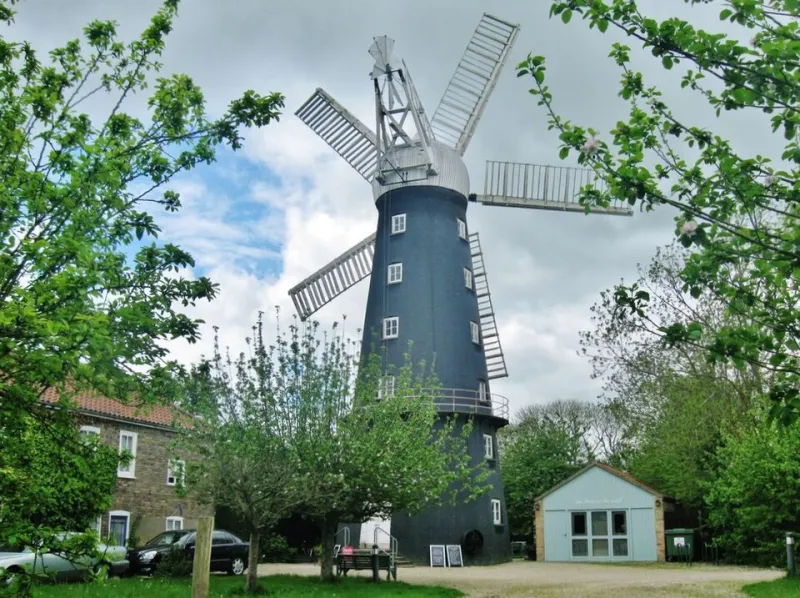
Photo: Derek Voller , CC BY-SA 2.0, via Wikimedia Commons
The kettle goes on first. Then comes the checklist, the torch, the oil can and the careful walk around the sails. By the time most of us are thinking about a second cup of tea, the volunteer crew at Alford’s five-sailed windmill have already listened to the mill, tested a bearing and swept a little flour from the stairs.
It is a bright, cold November morning in 2026, and the mill is not standing still as a museum piece. It is a working building with a working routine, run by people who know that a five-sail mill does not look after itself.
Before the sails turn
The first job is not grinding. It is noticing. A volunteer checks the shutters, the brake and the gearing. Another walks the floors with a rag and a small pot of grease, working oil into places that most visitors will never see. The air smells of cold iron, flour dust and the faint sweetness of grain.
The crew is a mixed bunch: retired engineers, keen bakers, people who moved to the village and wanted to help, and others who have been coming for so long that they can tell a tired cog by its sound. No one is in a hurry. A mill rewards patience. Rush a bearing and it will complain for weeks.
When the wind is right, the five sails begin to turn and the whole building changes character. The floors hum. The stones settle into their rhythm. The volunteers move a little more quickly, but not much. There is a choreography to it — sack, hopper, chute, bag — and everyone knows their place without needing to shout.
A sack, a hopper and a lesson in patience
Hoisting a sack of grain is not the dramatic bit. The careful part is the steady feed into the hopper and the watchful eye on the stones. Too much grain and the mill labours; too little and the stones run dry. The volunteer at the controls listens as much as looks.
Visitors often ask why the mill has five sails. The answer is part practical, part local pride. Five sails are uncommon, and they give the mill a distinctive silhouette on the Alford skyline. But they also mean more weight, more checking and more maintenance. On a gusty day, the crew are alert to every change in the wind. On a still day, they clean, repair and explain.
That is the rhythm of a volunteer morning: a spell of grinding, a spell of greasing, a spell of talking to visitors, then back to the stones. Someone makes tea. Someone else bags up flour. The kettle is never far from the conversation.
Flour for village kitchens
The mill still feeds local kitchens in 2026, though not in the way a supermarket aisle might suggest. Bags of stoneground flour are sold to visitors and regulars, and local home bakers come back for the feel of it between their fingers. A village baker might use it for a weekly loaf; a family might take a bag home for weekend pancakes. The flour is not a novelty. It is a useful, everyday thing with a story attached.
That is what makes the volunteer shift matter. The mill is not only kept for postcards. It is kept working so that grain can become something people actually use. The crew are custodians of a building, yes, but they are also part of a small food chain that begins with a sack and ends on a kitchen table.
The people who keep it turning
Ask the volunteers why they do it and the answers are modest. Some love the machinery. Some love the history. Some simply like the company. A morning at the mill is part maintenance class, part history lesson and part coffee morning, with a bit of lifting thrown in.
There is a quiet pride in watching a visitor realise that the flour in their bag came from the grain they saw going into the hopper. For the crew, that is the point. The mill is a landmark, but it is also a place where things are made, checked and shared.
If you go
Winter opening depends on weather and volunteers, so check the mill’s noticeboard and community listings before setting out. Wear warm clothes and sensible shoes; the stairs are steep and the floors are old. If the sails are turning, take a moment to listen before you reach for your camera.
And if you buy a bag of flour, know that you are taking home more than a souvenir. You are taking home a small part of an Alford morning — the grease, the grain, the warm kettle and the people who keep the five sails turning.