Borrow, Grow, Return: The Alford Seed Cabinet Stocking Next Summer’s Plots
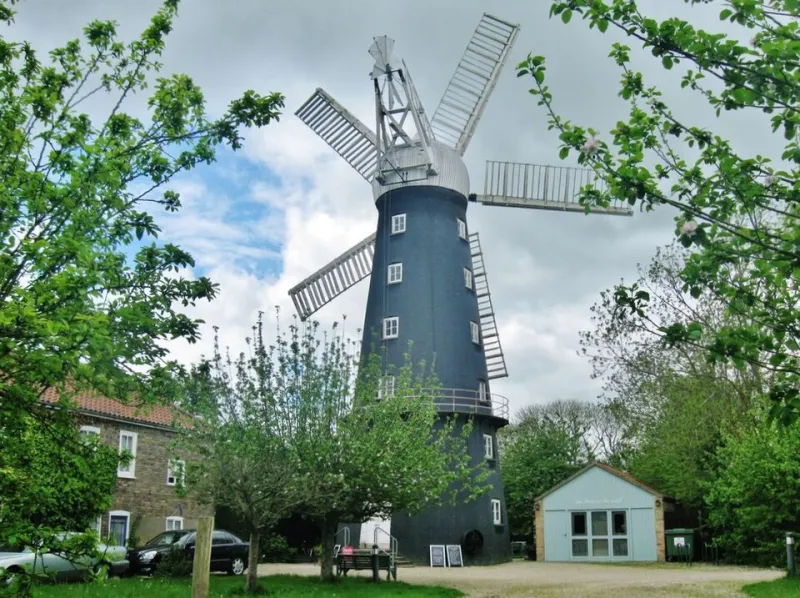
Photo: Randall Reynolds, CC BY 4.0, via Wikimedia Commons
There is a particular kind of optimism in a small paper envelope. It weighs almost nothing, it costs very little, and yet it contains an entire summer: rows of beans, a tumble of nasturtiums, the first pale-green tomato of the season. In Alford, a modest volunteer-run seed cabinet has turned that optimism into something residents can borrow, grow, save and return.
The idea is simple enough. Gardeners take a few seeds from the cabinet, grow them on, and — where they can — save fresh seed from the healthiest plants to put back for someone else. No membership card, no grand ceremony. Just a labelled envelope, a pencil and the understanding that the cupboard stays stocked because each grower adds a little back.
A cupboard built on swaps and small favours
The scheme began, as many good village things do, with a surplus. A handful of allotment holders found themselves with more saved bean seed than they could reasonably plant, and more questions than answers about what to do with it. Rather than let it go stale in a shed, they started swapping packets over a trestle table. The table became a box. The box became a cabinet. The cabinet now has a small rota of volunteers who check stock, top up labels and make sure the instructions are clear for anyone who has never saved a seed in their life.
It is not a shop and it is not a formal seed bank. Think of it as a neighbourhood conversation with a practical outcome. One gardener brings in a hardy broad bean that has done well on heavy soil. Another leaves a pinch of calendula seed with a note about where it flowered best. Someone else takes a packet of lettuce, grows more than they need, and returns enough for three other households the following autumn.
The growers behind the packets
Margaret, who has kept an allotment on the edge of the village for longer than she cares to count, looks after the bean section. Her rule is straightforward: save from the plants that shrugged off the wind and the slugs, not the prettiest pod on the plot. “You want the one that got on with it,” she says. “Good seed is often a bit plain-looking.”
Dev, who gardens mostly in pots and a narrow raised bed, is the cabinet’s tomato enthusiast. He favours smaller, reliable varieties that ripen outdoors in a so-so summer, and he is careful to label anything he saves with the date and a note about flavour. His packets tend to disappear quickly, which he takes as a compliment.
Then there is Colin, who admits he came to the seed cabinet for the free envelopes and stayed for the advice. He now saves marigold and poppy seed by the jam-jar load, scattering it along the front of his plot and leaving a few jars in the cabinet each autumn. “It’s a nice way of saying the plot did all right this year,” he says.
The cabinet also holds local favourites that have been passed around Alford plots for years — a climbing French bean that seems untroubled by Wolds weather, a sturdy broad bean, a handful of hardy herbs and flowers that bring the pollinators in. None of it is fancy. All of it has already proved it can grow here.
Why saving seed matters in a village
Seed saving is partly practical and partly personal. Practically, it keeps costs down and keeps varieties in circulation that are suited to local soil and local summers. Personally, it turns a garden into part of a longer story. A bean saved from a plot in Alford and grown again two streets away is a small act of continuity.
It also makes gardeners look more closely. Once you plan to save seed, you notice which plants flower earliest, which stand up to wind, which taste best raw and which are worth cooking slowly. You start choosing for your own conditions rather than simply accepting whatever is on a rack in spring.
A few habits for first-time seed savers
The volunteers are quick to say that seed saving does not need to be complicated. Start with something easy: beans, peas, calendula, poppies, lettuce or marigolds are all forgiving. Choose open-pollinated varieties rather than F1 hybrids if you want the next generation to come true to type. Let the seed dry fully on the plant where the weather allows, then finish it off somewhere warm and airy indoors.
Label everything. Write the plant name, the date and any useful note — “good flavour”, “early”, “tall”, “from the wet end of the plot”. Store the dry seed in paper envelopes or small jars in a cool, dark, dry place. Avoid saving seed from plants that bolted early or sulked all summer; you want the qualities that made you smile, not the ones that made you sigh.
If you are borrowing from the cabinet, take only what you will realistically grow. A pinch of seed in a labelled envelope goes a long way. And if your first attempt fails, the volunteers would much rather hear about it than have you quietly give up. The cabinet is not a test. It is a shared experiment with a pencil attached.
Windowsills, allotments and curious hands
You do not need a full plot to take part. A windowsill, a back step, a couple of pots by the door — all of it counts. The cabinet is there for the person who wants to try one tomato plant as much as for the allotment holder with three rows of beans and a spare seed tin.
As winter 2026 settles in and the seed packets are sorted for the season ahead, the message from the volunteers is refreshingly modest: borrow a little, grow what you can, and bring something back if you are able. The cupboard will do the rest. After all, a seed library is not really about the seeds. It is about the people who keep passing them on.