Bells, Birds and Backfires: A Year of Listening to Alford
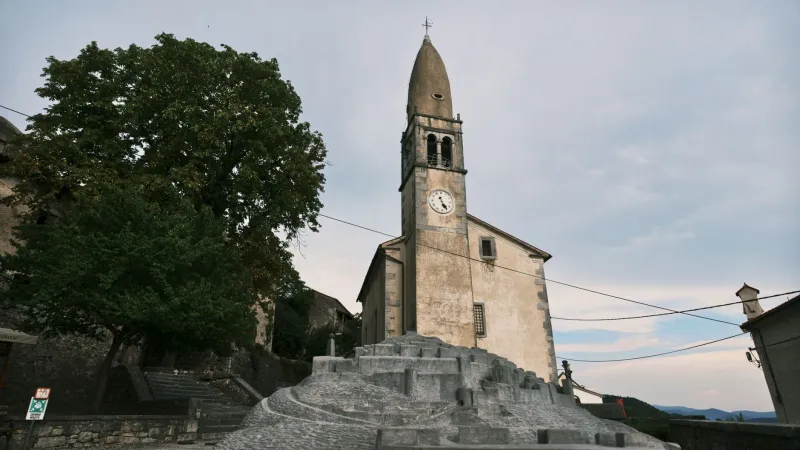
Stand in the market place on a still January morning and Alford sounds like a place waiting. Wind moves through the churchyard yews. A van door slams somewhere near the shop. The bells of St Wilfrid's practise a few changes, then stop mid-phrase as if someone has remembered the time. It is not a dramatic soundtrack, but it is the village's own.
We tend to talk about how a place looks: the stone, the shopfronts, the way the light falls on the Wolds. Sound is harder to photograph, so it gets overlooked. Yet ask anyone who has moved away what they miss and you will often get a noise rather than a view. The market-day chatter. The tractor coming up the hill. The particular quiet of a Sunday afternoon.
January and February: wind, bells and the first van
Winter strips the sound back. The wind has more room to move without leaves in the way. Footsteps on cold pavement carry further. The church bells feel like a public service in these months, marking time when the days are short and the sky is low.
There is also the morning rhythm of the village waking: the first van, the shutters going up, the school-run conversations that happen in car windows rather than on pavements. It is not glamorous. It is the sound of a place refusing to hibernate.
Spring: birdsong, mowers and the school run
Spring arrives as a change in volume. Birdsong returns to the churchyard and the hedges on the edge of the village. Mowers start up on Saturday mornings, a sound that manages to be both comforting and slightly passive-aggressive, depending on whose lawn is being cut.
The school run has its own soundtrack: scooters, buggies, the gate, the last-minute reminder about PE kit. In the market place, the chatter picks up as the weather improves and people linger rather than hurry. You can hear the village shaking off the winter.
Summer: market chatter and the hum of the Wolds
Summer is the loudest season, but not in a dramatic way. It is the hum of distant machinery, the whirr of fans in shop doorways, the clink of cups outside. Market day brings a denser layer of sound: traders calling, people catching up, the occasional burst of laughter from a group that has stopped in the middle of the pavement.
On warm evenings, sound travels differently. You can hear a radio in a garden, a football being kicked against a wall, the low murmur of a pub garden. The Wolds feel closer somehow, as if the fields are leaning in.
Autumn: tractors, leaves and the return of the thermos
Autumn brings the tractors back in earnest. Anyone who has stood behind one on a narrow lane knows the sound: the engine, the rattle, the patient queue of cars behind. It is the sound of the land being worked, and it has been the background to village life for generations.
There is also the rustle of leaves, the scrape of a broom, the first evening when someone says it is cold enough for the thermos. The market place starts to empty earlier. The pub gets busier. The year turns, audibly.
December: carols, tills and the quiet after closing time
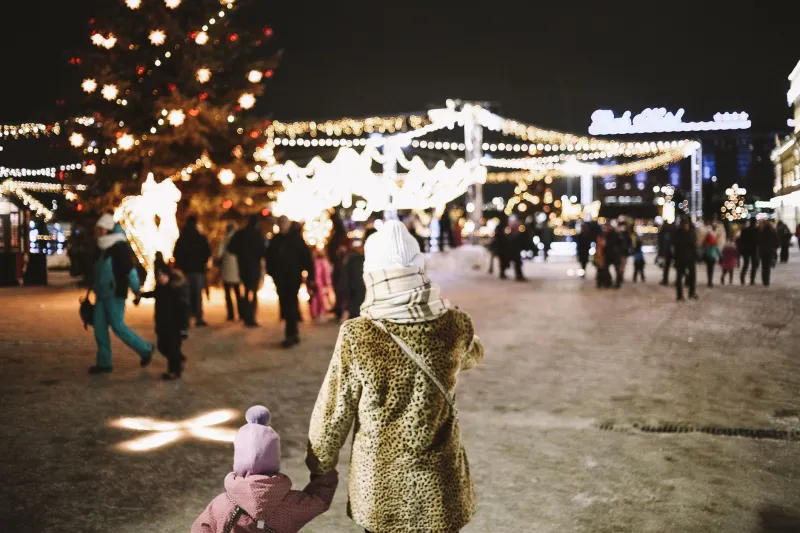
December is the month when the village sound becomes official. Carols, bells, the switch-on countdown, the till in the shop, the greetings that get a little more generous as the month goes on. It is busy and bright and occasionally chaotic.
Then comes the quiet after closing time. Shutters down, streetlights on, the last car heading home. It is one of the most underrated sounds in Alford: not silence exactly, but the village exhaling.
Why listening makes a village feel like home
Paying attention to sound is a small act of belonging. It slows you down. It turns a walk to the shop into a record of the season. It helps you notice the new family on the street, the shop that has changed hands, the bird that has come back to the same hedge.
Alford's soundtrack is not polished. It includes backfires and bins and the odd bit of machinery that clearly needs looking at. But it is specific and it is shared. And if you stand still long enough to hear it, the village stops being a backdrop and becomes a place you are part of.